
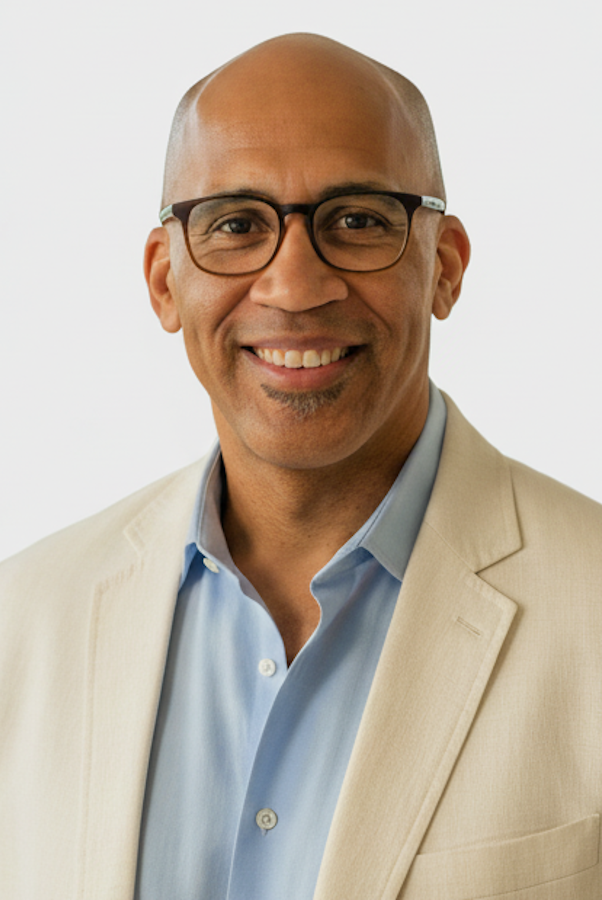
Francis Wade designed the Long-Term Strategy Conference 2026 (LTSP26) because he kept watching the same failure play out at strategy events: attendees arrived expecting to walk away with new skills, sat through three days of dense sessions, and left exhausted rather than energized. LTSP26 is his answer — a fully virtual conference built less like a training seminar and more like an interactive museum, where the goal is exposure to new ideas and useful surprise rather than immediate mastery.
That distinction comes from decades spent inside the machinery of organizational change. Wade trained as an industrial engineer at Cornell University (BS ’88, MEng ’89), then spent five years at AT&T Bell Labs working first in manufacturing and just-in-time process design, then moving into innovation processes for new product introduction, and eventually into services, software, and network solutions. The throughline across that career, and the one he still returns to, is that meaningful change happens through process, not through borrowed tools or trends.
He carried that conviction into Framework Consulting, the practice he now runs from Kingston, Jamaica, where he developed the EndPoint Method: a six-stage approach to long-term strategic planning (15-30-years) that takes organizations from a diagnosis of where they stand today through scenario generation, quantified commitment, backcasting from a target year, and short-term execution planning with named project sponsors. Where much of the current conversation about AI and strategy treats the discipline as a black box you feed inputs into, Wade’s work insists on opening the box first — mapping the actual process before deciding what, if anything, AI should change about it.
Wade is also a prolific voice in strategy media. He writes a biweekly column on strategy and AI implementation for the Sunday Jamaica Business Gleaner, hosts the JumpLeap Long-Term Strategy Podcast, and built StratCinema, a curated video platform for strategy professionals modeled on the idea that serious ideas can be delivered in a format people actually want to watch. That same instinct shapes LTSP26 itself: rather than a lineup of webinars, the conference is structured around personas, interactive conversations, and curated video experiences designed to spark what he calls a “cognitive surprise” – an “AHA moment” – the kind of exposure that seeds deeper learning later, even if it doesn’t show up as a checklist of skills by the closing session.
Wade’s central argument, made across his column, podcast, and consulting work alike, is that most organizations reach for AI as a shortcut around strategic thinking rather than a tool for sharpening it. He uses the HBR term for resulting output “trendslop” — plausible-sounding advice generated without any grounding in how a specific organization’s strategy process actually works.
His prescription is consistent: define the process first, however unglamorous that work is, before layering in any new capability. LTSP26 was built to make that case not through another panel of slides, but through an experience — one designed for executives, consultants, board members, and strategy practitioners who are tired of conferences that ask them to learn everything and remember nothing.
Francis Wade lives in Kingston, Jamaica, and continues to lead engagements applying the EndPoint Method with clients ranging from public-sector agencies to corporate strategy teams.

https://linkedin.com/in/franciswade